
 About
About  Bachelor of Science in Artificial Intelligence Master in Management of Technology Student Life Contact Us


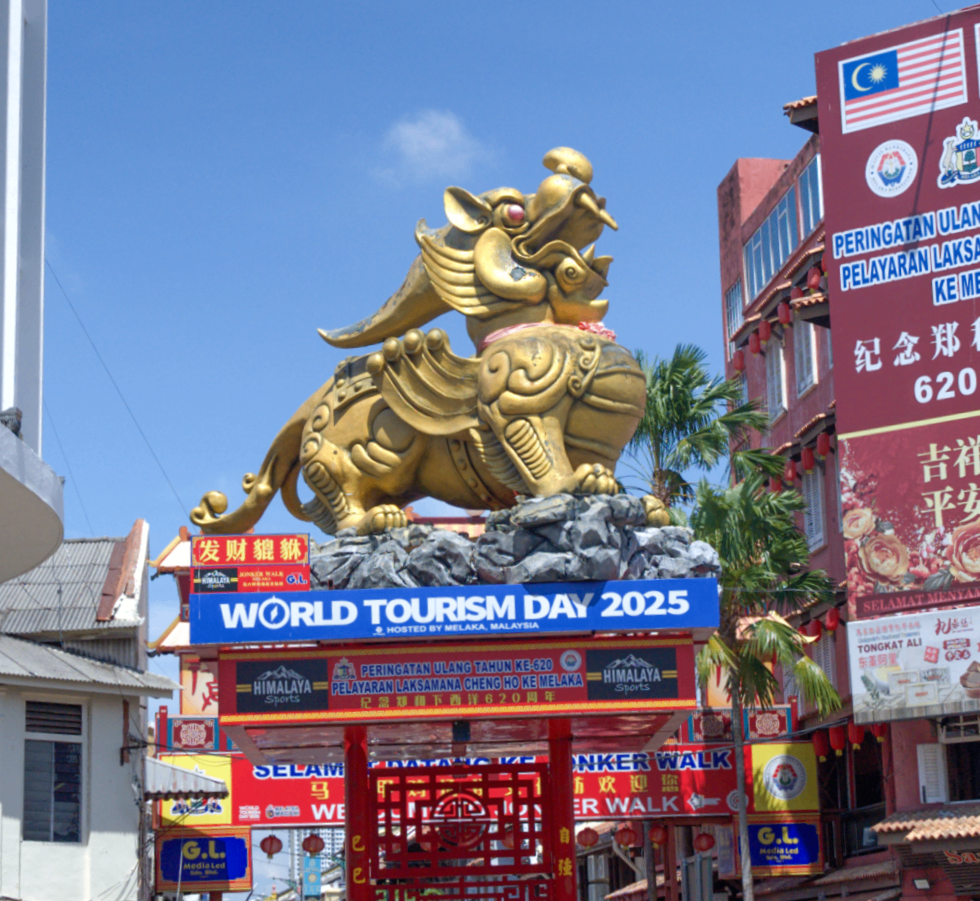

Table of Contents
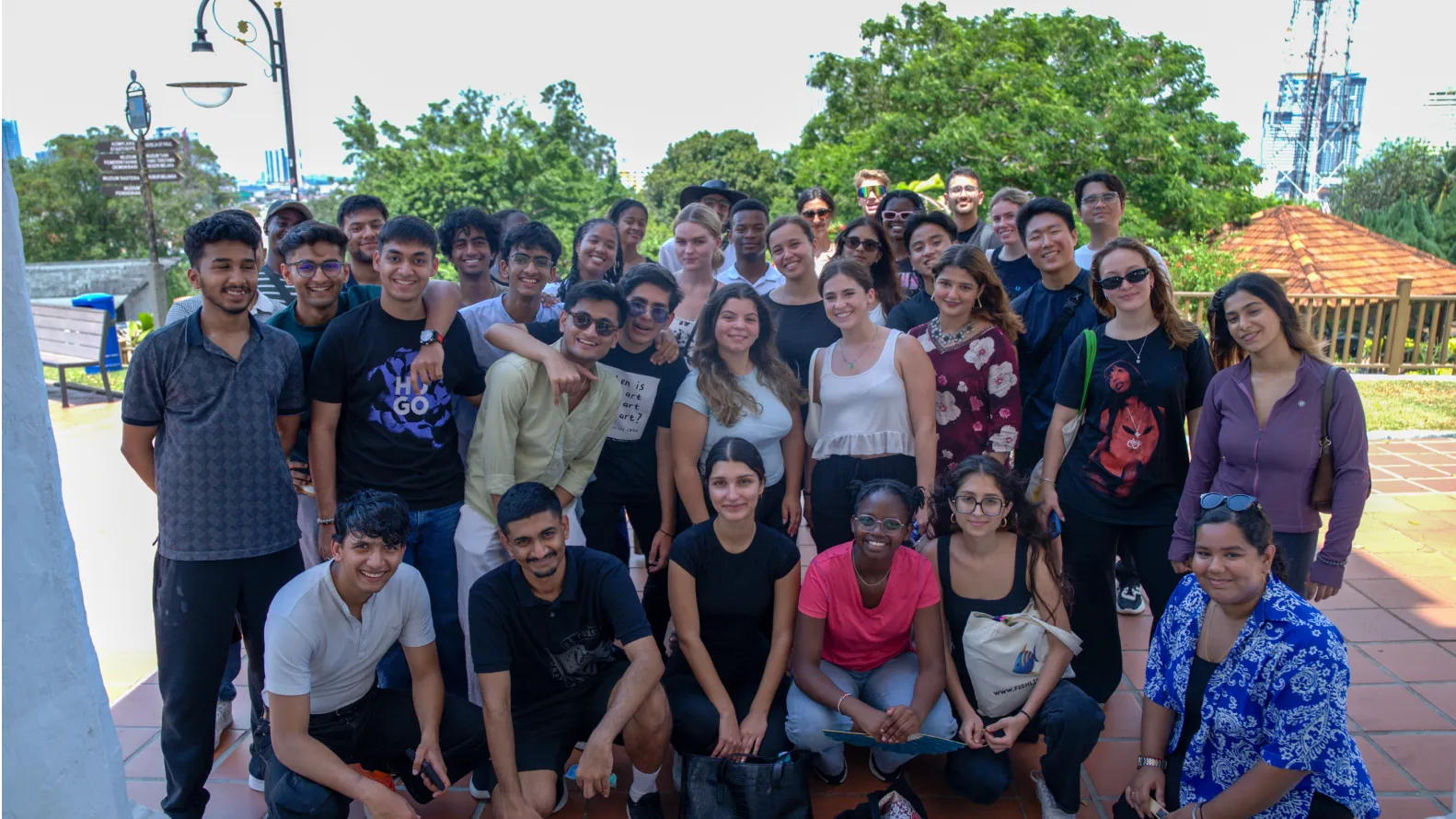
Class of 2029 spent a full day exploring Malacca, Malaysia, as part of their term 3 cultural immersion, and what they experienced went well beyond sightseeing.
From UNESCO-listed landmarks to the streets of Jonker, here is what the day looked like and why experiences like these are built into the Tetr journey deliberately.
A UNESCO World Heritage Site sitting at the crossroads of centuries of trade, colonization, and cultural collision, Malacca is the kind of city where the past is not archived but alive. Portuguese fortresses stand alongside Dutch colonial buildings. Chinese temples sit a few streets from mosques that have been standing for hundreds of years. The whole city is essentially a living case study in how cultures collide, adapt, and eventually create something entirely their own.
For students who spend their days thinking about markets, consumer behavior, and how businesses take root in different parts of the world, Malacca is not just a day trip, it is context. The kind that textbooks gesture at but never quite deliver.
The cohort moved through the city with a mix of guided learning and unstructured time, which turned out to be exactly the right balance. Landmarks such as Stadthuys, Christ Church, St. Paul's Hill, and A Famosa Fortress gave the day its historical anchor. These were not just photo stops; they were entry points into a story about power, trade, and the way geography shapes civilization.
Then came Jonker Street, and with it, a completely different energy. Street food, local vendors, the perfect Southeast Asian experiences for all your senses. Students wandered, explored, tried things they had never tasted before, and spent unhurried time with each other outside of a structured setting. For a cohort that normally operates at full speed, that kind of unscripted afternoon is rarer than it sounds. They noticed it. They appreciated it.
Here’s what one of our students had to say about it:
"There is something about walking through streets that are centuries old when you are in the middle of building something yourself. It just puts everything in perspective."
It is easy to frame immersions as a reward or a break from the real work. At Tetr, that framing is deliberately rejected. Exposure to the world, its histories, its cultures, and its textures is not supplementary to building a global business mindset. It is foundational to it.
The founders who go on to build things that matter are rarely the ones who have only ever sat in classrooms. They are the ones who moved through the world with curiosity, who understood instinctively that context shapes everything, and who developed the kind of cultural fluency that no syllabus can manufacture. A day in Malacca will not appear on a transcript. But the way it quietly recalibrates how a student sees the world, that stays. And at Tetr, that is exactly the point.
Check out what being a part of the Tribe looks like: https://tetr.com/student-life